[et_pb_heading title=”Comprehensive Roofing Waterproofing FAQ for Contractors: Essential Solutions and Best Practices” _builder_version=”4.19.4″ _module_preset=”default” title_level=”h2″ hover_enabled=”0″ sticky_enabled=”0″][/et_pb_heading]
Roofing waterproofing is a critical aspect of construction that ensures the longevity and durability of structures. It involves the application of various materials and techniques to prevent water infiltration, which can lead to significant damage over time. This article aims to provide contractors with essential information about roofing waterproofing, including common questions, best practices, and the solutions offered by Olmeck, a specialized provider in this field. Contractors often face challenges in waterproofing projects, and understanding the best practices can enhance project success. We will explore the essential waterproofing solutions, best practices for application, common challenges, and how Olmeck supports contractors in their waterproofing endeavors.
[et_pb_heading title=”FAQ for Contractors on Roofing Waterproofing” _builder_version=”4.19.4″ _module_preset=”default” title_level=”h2″ hover_enabled=”0″ sticky_enabled=”0″][/et_pb_heading]
Contractors frequently encounter questions regarding roofing waterproofing. Understanding these queries can help streamline the waterproofing process and ensure effective solutions are implemented. Here are some common concerns:
- What are the essential waterproofing solutions offered by Olmeck?
- What are the best practices for applying waterproofing systems?
- What common challenges do contractors face in waterproofing projects?
- What techniques can enhance the success of waterproofing projects?
- How does Olmeck support contractors in waterproofing projects?
- What warranties are available for Olmeck's waterproofing products?
- How can contractors ensure they are using the right products for their projects?
- What are the benefits of using Olmeck's waterproofing solutions?
- How can contractors stay updated on new products and techniques?
- Where can contractors find additional resources for installation and maintenance?
[et_pb_heading title=”What are the essential waterproofing solutions offered by Olmeck?” _builder_version=”4.19.4″ _module_preset=”default” title_level=”h2″ hover_enabled=”0″ sticky_enabled=”0″][/et_pb_heading]
Olmeck provides a range of advanced waterproofing solutions tailored for contractors and builders. These solutions are designed to enhance roof durability and waterproofing effectiveness. The essential products include:
These products are specifically formulated to meet the demands of various roofing applications, ensuring that contractors have reliable options for their projects.
[et_pb_heading title=”What are the best practices for applying waterproofing systems?” _builder_version=”4.19.4″ _module_preset=”default” title_level=”h2″ hover_enabled=”0″ sticky_enabled=”0″][/et_pb_heading]
Applying waterproofing systems effectively requires adherence to best practices that ensure optimal performance. Key practices include:
- Surface Preparation: Ensure surfaces are clean, dry, and free of debris to promote adhesion.
- Curing Times: Allow adequate curing time between application layers to ensure proper bonding.
- Use of Primers: Apply primers where necessary to enhance adhesion and performance of the waterproofing system.
Olmeck also offers training and support services to help contractors implement these best practices effectively.
[et_pb_heading title=”What common challenges do contractors face in waterproofing projects?” _builder_version=”4.19.4″ _module_preset=”default” title_level=”h2″ hover_enabled=”0″ sticky_enabled=”0″][/et_pb_heading]
Contractors often encounter several challenges during waterproofing projects, including:
- Surface Preparation Issues: Inadequate surface cleaning can lead to poor adhesion.
- Weather Conditions: Rain or extreme temperatures can affect the application and curing of waterproofing materials.
- Access Difficulties: Limited access to certain areas can complicate the application process.
Understanding these challenges can help contractors plan better and mitigate potential issues.
[et_pb_heading title=”What techniques can enhance the success of waterproofing projects?” _builder_version=”4.19.4″ _module_preset=”default” title_level=”h2″ hover_enabled=”0″ sticky_enabled=”0″][/et_pb_heading]
To improve the outcomes of waterproofing projects, contractors can employ several techniques:
- Hybrid System Application: Combining different waterproofing methods can provide enhanced protection.
- Training Programs: Participating in training can equip contractors with the latest techniques and knowledge.
- Regular Maintenance: Implementing a maintenance schedule can prolong the life of waterproofing systems.
These techniques can significantly enhance the effectiveness of waterproofing efforts.
[et_pb_heading title=”How does Olmeck support contractors in waterproofing projects?” _builder_version=”4.19.4″ _module_preset=”default” title_level=”h2″ hover_enabled=”0″ sticky_enabled=”0″][/et_pb_heading]
Olmeck is committed to supporting contractors through various services, including:
- Product Guides: Detailed guides that outline the best practices for using Olmeck products.
- Training Sessions: Workshops that provide hands-on experience with waterproofing techniques.
- Expert Consultation: Access to experts who can provide tailored advice for specific projects.
This support ensures that contractors are well-equipped to handle their waterproofing needs.
[et_pb_heading title=”What warranties are available for Olmeck’s waterproofing products?” _builder_version=”4.19.4″ _module_preset=”default” title_level=”h2″ hover_enabled=”0″ sticky_enabled=”0″][/et_pb_heading]
Olmeck offers warranties on its waterproofing products to provide contractors with peace of mind. The advanced waterproofing systems come with a 25-year warranty, covering defects in materials and workmanship. This warranty underscores Olmeck’s commitment to quality and reliability in its product offerings.
[et_pb_heading title=”How can contractors ensure they are using the right products for their projects?” _builder_version=”4.19.4″ _module_preset=”default” title_level=”h2″ hover_enabled=”0″ sticky_enabled=”0″][/et_pb_heading]
To select the appropriate waterproofing products, contractors should consider:
- Consultation Services: Engaging with Olmeck's experts can help identify the best solutions for specific project needs.
- Product Recommendations: Utilizing Olmeck's product recommendations based on project requirements.
- Tailored Solutions: Customizing solutions to fit unique project specifications.
These steps can help ensure that contractors choose the most effective products for their waterproofing projects.
[et_pb_heading title=”What are the benefits of using Olmeck’s waterproofing solutions?” _builder_version=”4.19.4″ _module_preset=”default” title_level=”h2″ hover_enabled=”0″ sticky_enabled=”0″][/et_pb_heading]
Using Olmeck’s waterproofing solutions offers several advantages:
- Longevity and Resilience: Products are designed to withstand harsh weather conditions, ensuring long-lasting protection.
- Cost Savings: Effective waterproofing reduces the risk of costly repairs due to water damage.
- Technological Advancements: Olmeck's products incorporate the latest technology for superior performance.
These benefits make Olmeck’s solutions a valuable choice for contractors.
[et_pb_heading title=”How can contractors stay updated on new products and techniques?” _builder_version=”4.19.4″ _module_preset=”default” title_level=”h2″ hover_enabled=”0″ sticky_enabled=”0″][/et_pb_heading]
Contractors can stay informed about the latest developments in waterproofing by:
- Training Seminars: Attending seminars hosted by Olmeck to learn about new products and techniques.
- Workshops: Participating in hands-on workshops to gain practical experience.
- Online Resources: Utilizing Olmeck's website for updates on new products and industry trends.
Staying updated ensures that contractors can implement the most effective solutions in their projects.
[et_pb_heading title=”Where can contractors find additional resources for installation and maintenance?” _builder_version=”4.19.4″ _module_preset=”default” title_level=”h2″ hover_enabled=”0″ sticky_enabled=”0″][/et_pb_heading]
Contractors can access a variety of resources for installation and maintenance through:
- Guides and Videos: Olmeck provides comprehensive guides and instructional videos to assist with product application.
- Website Resources: The Olmeck website features a wealth of information on product specifications and best practices.
- Support Channels: Contractors can reach out to Olmeck's support team for any inquiries or assistance needed.
These resources are invaluable for ensuring successful waterproofing projects.
[et_pb_heading title=”What Are the Most Effective Flat Roof Waterproofing Solutions?” _builder_version=”4.19.4″ _module_preset=”default” title_level=”h2″ hover_enabled=”0″ sticky_enabled=”0″][/et_pb_heading]
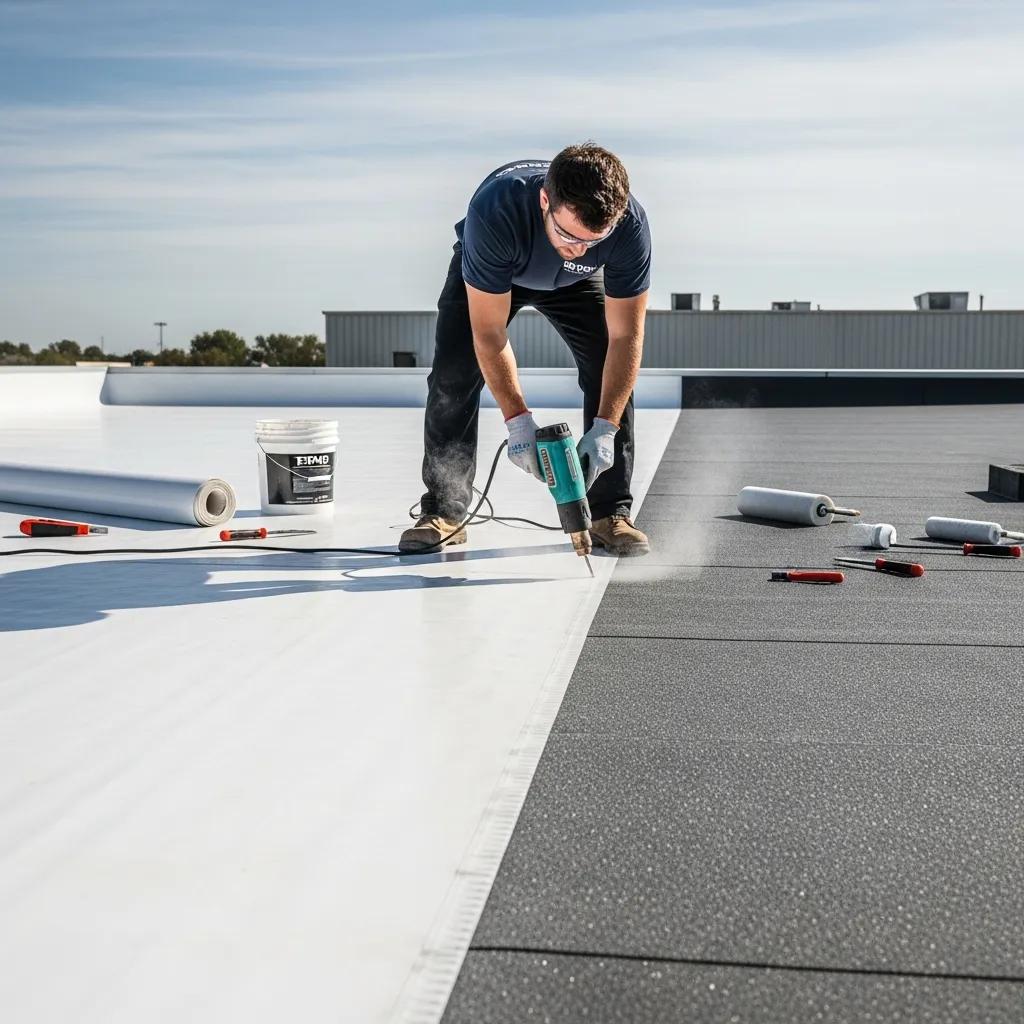
Flat roofs require specific waterproofing solutions to prevent water accumulation and leaks. Effective solutions include:
- TPO Membranes: Thermoplastic polyolefin membranes are lightweight and resistant to UV rays.
- EPDM Rubber: Ethylene propylene diene monomer rubber is durable and offers excellent weather resistance.
- Modified Bitumen: This solution combines asphalt with modifiers for enhanced flexibility and durability.
These options provide contractors with reliable choices for flat roof applications.
[et_pb_heading title=”Which Waterproofing Membranes Are Best Suited for Flat Roofs?” _builder_version=”4.19.4″ _module_preset=”default” title_level=”h3″ hover_enabled=”0″ sticky_enabled=”0″][/et_pb_heading]
Several waterproofing membranes are particularly effective for flat roofs:
- Olmeck Tough Roofing & Waterproofing Membrane: Made from premium rubber polymers, it offers excellent durability.
- Olmeck Purpose Waterproofing Membrane: Non-toxic and environmentally friendly, ideal for various applications.
- Lava 20: A high-performance membrane designed for extreme weather conditions.
These membranes are designed to meet the unique challenges of flat roofing.
[et_pb_heading title=”How Do Flat Roof Waterproofing Techniques Enhance Durability?” _builder_version=”4.19.4″ _module_preset=”default” title_level=”h3″ hover_enabled=”0″ sticky_enabled=”0″][/et_pb_heading]
Flat roof waterproofing techniques enhance durability through:
- Proper Installation: Ensuring membranes are installed correctly to prevent leaks.
- Regular Maintenance: Conducting routine inspections and maintenance to address potential issues early.
- Material Selection: Choosing high-quality materials that withstand environmental stressors.
These practices contribute to the longevity of flat roofs.
[et_pb_heading title=”What Are the Key Roof Coating Types and Their Benefits?” _builder_version=”4.19.4″ _module_preset=”default” title_level=”h2″ hover_enabled=”0″ sticky_enabled=”0″][/et_pb_heading]
Roof coatings play a vital role in waterproofing and protecting roofs. Key types include:
- Acrylic Coatings: Provide UV protection and are easy to apply.
- Silicone Coatings: Excellent for waterproofing and resistant to ponding water.
- Polyurethane Coatings: Offer superior durability and chemical resistance.
Each type has unique benefits that cater to different roofing needs.
[et_pb_heading title=”How Do Different Roof Coatings Provide Waterproofing and UV Protection?” _builder_version=”4.19.4″ _module_preset=”default” title_level=”h3″ hover_enabled=”0″ sticky_enabled=”0″][/et_pb_heading]
Different roof coatings offer varying levels of waterproofing and UV protection:
- Olmeck Tough Roofing & Waterproofing Membrane: Ideal for sealing leaky roof penetrations.
- Olmeck Finish™: A quick-dry, heavy-duty top-layer membrane that enhances waterproofing.
- Olmeck Seal™: Provides a robust barrier against UV rays and water infiltration.
Indeed, external research further underscores the critical aspects of coating application, including surface preparation and environmental factors like UV radiation.
Waterproofing Coating Methods: Surface Prep & Skilled Application
Coating method needs special attention during surface preparation which requires skilled application. This method can also be affected by ultraviolet radiation and causes health issues.
Comparative study of conventional and modern waterproofing techniques, AN Ghadge, 2016
[et_pb_heading title=”What Are the Advantages of Polymer-Based Roof Coatings?” _builder_version=”4.19.4″ _module_preset=”default” title_level=”h3″ hover_enabled=”0″ sticky_enabled=”0″][/et_pb_heading]
Polymer-based roof coatings provide several advantages:
- Durability: They withstand harsh weather conditions and resist cracking.
- Flexibility: Adapt to temperature changes without losing effectiveness.
- Chemical Resistance: Protect against various environmental pollutants.
These properties make polymer-based coatings a preferred choice for many contractors.
[et_pb_heading title=”How Should Contractors Approach Waterproofing Membrane Installation?” _builder_version=”4.19.4″ _module_preset=”default” title_level=”h2″ hover_enabled=”0″ sticky_enabled=”0″][/et_pb_heading]
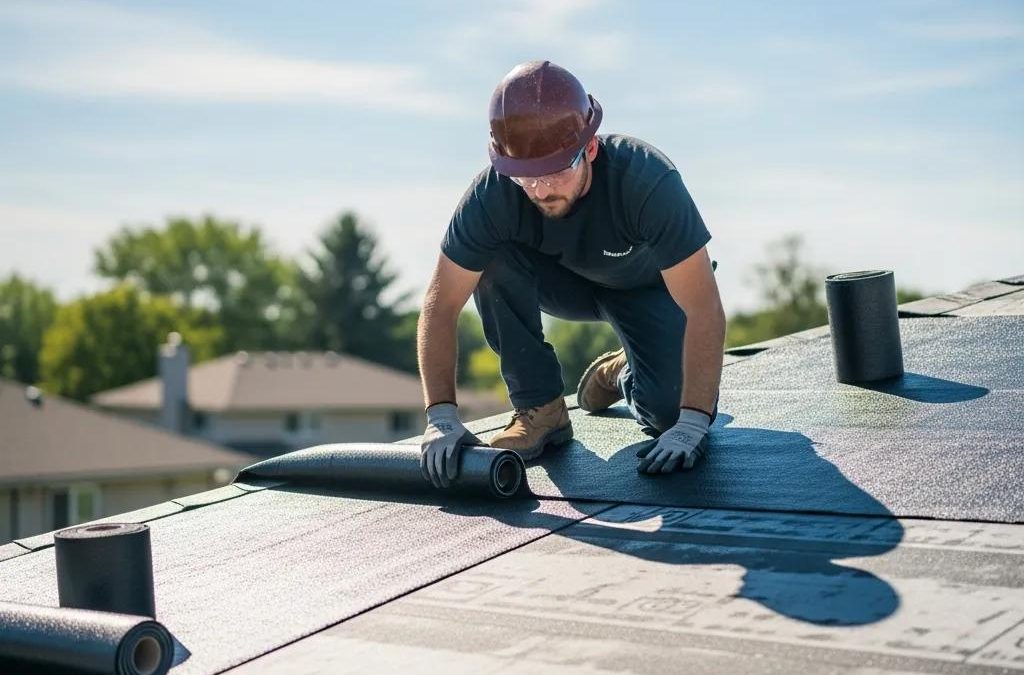
Proper installation of waterproofing membranes is crucial for effectiveness. Key steps include:
- Surface Preparation: Clean and dry the surface thoroughly before application.
- Application Techniques: Follow manufacturer guidelines for applying the membrane.
- Curing Times: Allow sufficient time for the membrane to cure properly.
These steps ensure that the waterproofing membrane performs as intended.
[et_pb_heading title=”What Are the Step-by-Step Procedures for Installing Waterproofing Membranes?” _builder_version=”4.19.4″ _module_preset=”default” title_level=”h3″ hover_enabled=”0″ sticky_enabled=”0″][/et_pb_heading]
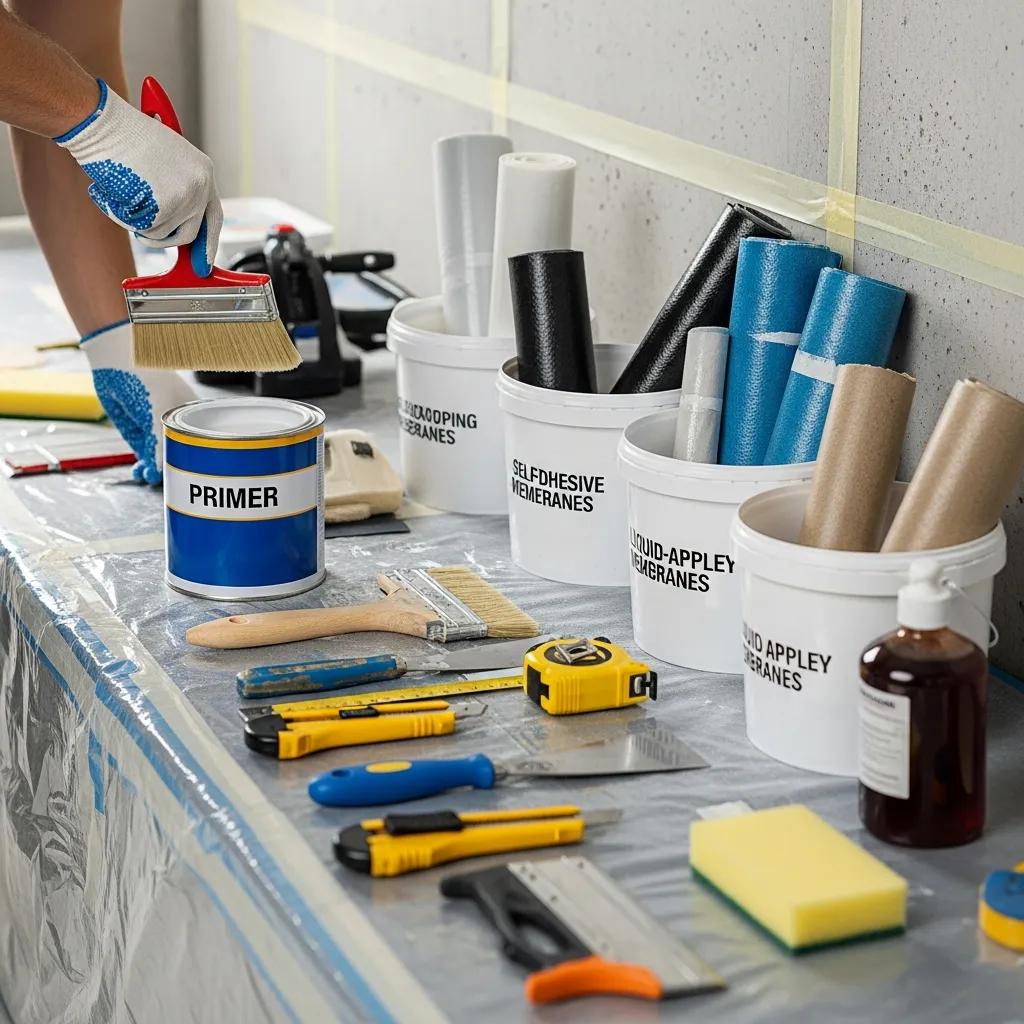
The installation of waterproofing membranes involves several critical steps:
- Prepare the Surface: Remove any debris and ensure the surface is dry.
- Apply Primer: Use a primer to enhance adhesion if recommended by the manufacturer.
- Install the Membrane: Lay the membrane according to the specified guidelines.
- Seal Edges: Ensure all edges and seams are properly sealed to prevent leaks.
Further emphasizing the importance of meticulous execution, research highlights detailed procedures and safety considerations for effective waterproofing membrane installation.
Roof Waterproofing Installation: Methods, Tools, Quality & Safety
Implementing the modern technological methods is recommended in the article, as well as performing some operations. The algorithm of technological operations is as follows: preparatory work; gluing a two-layer waterproofing roofing on freshly formed reinforced concrete panels; double rolling of the uncooled roll roofing after removing the panel from the steam chamber. The process of installing the waterproofing roofing has to be carried out in a specially equipped enterprise area. It is recommended to use the following domestic and foreign tools and equipment for above-mentioned operations. The quality control of operations is described, it involves visual inspections and the necessary measurements performed with a ruler. Optimal organizational and technological solutions, which allow to manage processes taking into account the safety of workers, were obtained. Fulfilling the labor safety requirements during construction is primary while installing the roll-up waterproofing roofing.
Organizational-and-technological solutions for installation of prefabricated roof coverings from roll materials, 2021
[et_pb_heading title=”What Common Challenges Occur During Installation and How to Overcome Them?” _builder_version=”4.19.4″ _module_preset=”default” title_level=”h3″ hover_enabled=”0″ sticky_enabled=”0″][/et_pb_heading]
Common challenges during installation include:
- Weather Conditions: Rain or extreme temperatures can hinder application.
- Surface Contamination: Dirt or moisture can affect adhesion.
- Inadequate Curing: Rushing the curing process can lead to failures.
To overcome these challenges, contractors should plan installations during favorable weather and ensure thorough surface preparation.
[et_pb_heading title=”Which Are the Best Roof Sealants for Contractors and Their Applications?” _builder_version=”4.19.4″ _module_preset=”default” title_level=”h2″ hover_enabled=”0″ sticky_enabled=”0″][/et_pb_heading]
Selecting the right roof sealants is essential for effective waterproofing. The best options include:
- Olmeck Seal™: A liquid-applied waterproofing membrane sealant that provides excellent adhesion.
- Olmeck Eco™: An eco-friendly, heat-repellent roof membrane suitable for various applications.
- Olmeck Tough™: Known for its durability and strong bonding capabilities.
These sealants are designed to meet the diverse needs of contractors.
[et_pb_heading title=”How Do Sealant Types Differ in Performance and Compatibility?” _builder_version=”4.19.4″ _module_preset=”default” title_level=”h3″ hover_enabled=”0″ sticky_enabled=”0″][/et_pb_heading]
Sealant types vary in their performance characteristics and compatibility:
- Olmeck Seal™: Offers superior adhesion and flexibility for various surfaces.
- Olmeck Eco™: Provides environmental benefits while maintaining performance.
- Olmeck Tough™: Known for its robust performance in extreme conditions.
Understanding these differences helps contractors choose the right sealant for their projects.
[et_pb_heading title=”What Are the Maintenance and Reapplication Guidelines for Roof Sealants?” _builder_version=”4.19.4″ _module_preset=”default” title_level=”h3″ hover_enabled=”0″ sticky_enabled=”0″][/et_pb_heading]
To ensure the longevity of roof sealants, contractors should follow these guidelines:
- Reapplication Frequency: Inspect and reapply sealants every 3-5 years, depending on environmental conditions.
- Maintenance Tips: Regularly check for signs of wear or damage and address them promptly.
- Signs of Wear: Look for cracks, peeling, or discoloration as indicators for reapplication.
These practices help maintain the effectiveness of roof sealants over time.