
[et_pb_heading title=”Polyurethane vs. EPDM vs. TPO Roofing: Choosing the Best Flat Roof Membrane for Durability and Efficiency” _builder_version=”4.19.4″ _module_preset=”default” title_level=”h2″ hover_enabled=”0″ sticky_enabled=”0″][/et_pb_heading]

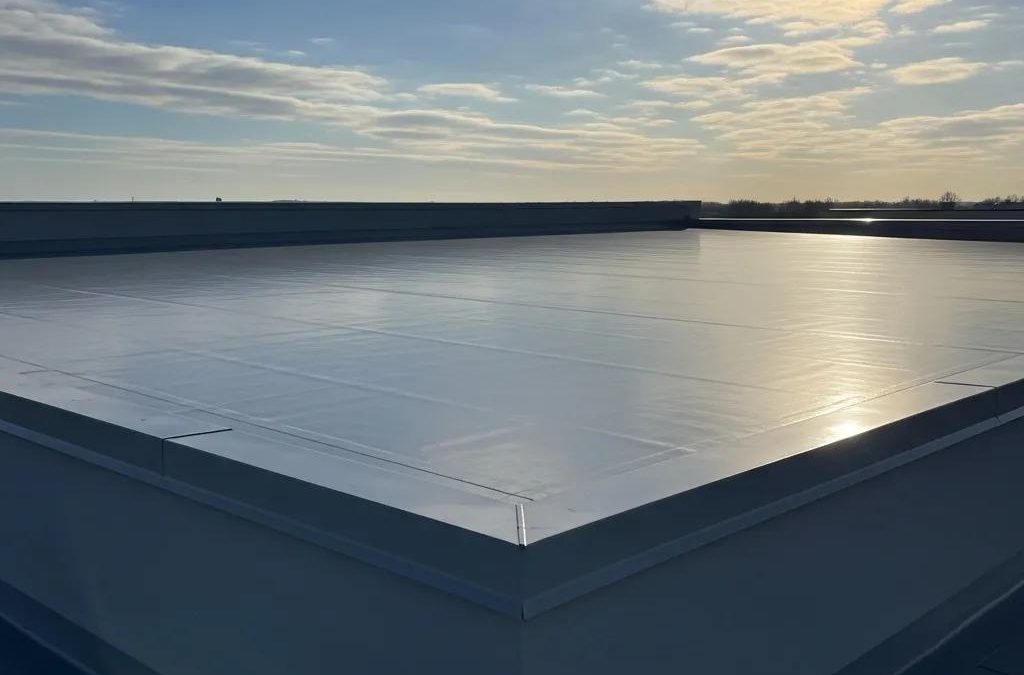
When it comes to flat roofing systems, selecting the right membrane is crucial for ensuring durability and efficiency. This article delves into the three primary types of flat roof membranes: Polyurethane, EPDM, and TPO. Each of these materials has unique properties that cater to different needs and preferences. Understanding their differences can help property owners make informed decisions that align with their specific requirements.

Flat roofs are often susceptible to various environmental factors, making the choice of roofing material critical. This guide will explore the durability, efficiency, cost-effectiveness, and maintenance requirements of each roofing system. By the end, you will have a clearer understanding of which flat roof membrane is best suited for your needs.

[et_pb_heading title=”Durability” _builder_version=”4.19.4″ _module_preset=”default” title_level=”h2″ hover_enabled=”0″ sticky_enabled=”0″][/et_pb_heading]

Durability is a key factor when evaluating roofing systems, especially for flat roofs that face unique challenges. Polyurethane membranes are known for their exceptional durability, providing long-lasting protection against harsh weather conditions. EPDM membranes, while durable, may require more maintenance over time to ensure their longevity. TPO membranes are designed with energy efficiency in mind, but their durability can vary based on installation quality and environmental exposure.

[et_pb_heading title=”How Does Polyurethane Roofing Provide Long-Lasting Protection?” _builder_version=”4.19.4″ _module_preset=”default” title_level=”h3″ hover_enabled=”0″ sticky_enabled=”0″][/et_pb_heading]

Polyurethane roofing offers long-lasting protection through its robust chemical composition and seamless application. This type of membrane is highly flexible, allowing it to withstand temperature fluctuations without cracking. Additionally, products like Lava 20, a professional-grade liquid-applied polyurethane membrane, provide excellent waterproofing capabilities and chemical resistance. With a 20-year warranty, it ensures that property owners can rely on its performance for decades.

The inherent durability of polyurethane systems is often enhanced by reinforcement, which acts as a structural backbone for the membrane.

Polyurethane Roof Systems: Reinforcement for Membrane Durability

fleece-reinforced PMMA/PUMA and many PU roof systems use reinforcement not as a “detail accessory,” but as the membrane’s structural backbone for thickness

Reinforcement in Liquid-Applied Roof Waterproofing Membranes, C Seldüz, 2026
[et_pb_heading title=”What Are the Durability Advantages of EPDM Membranes?” _builder_version=”4.19.4″ _module_preset=”default” title_level=”h3″ hover_enabled=”0″ sticky_enabled=”0″][/et_pb_heading]

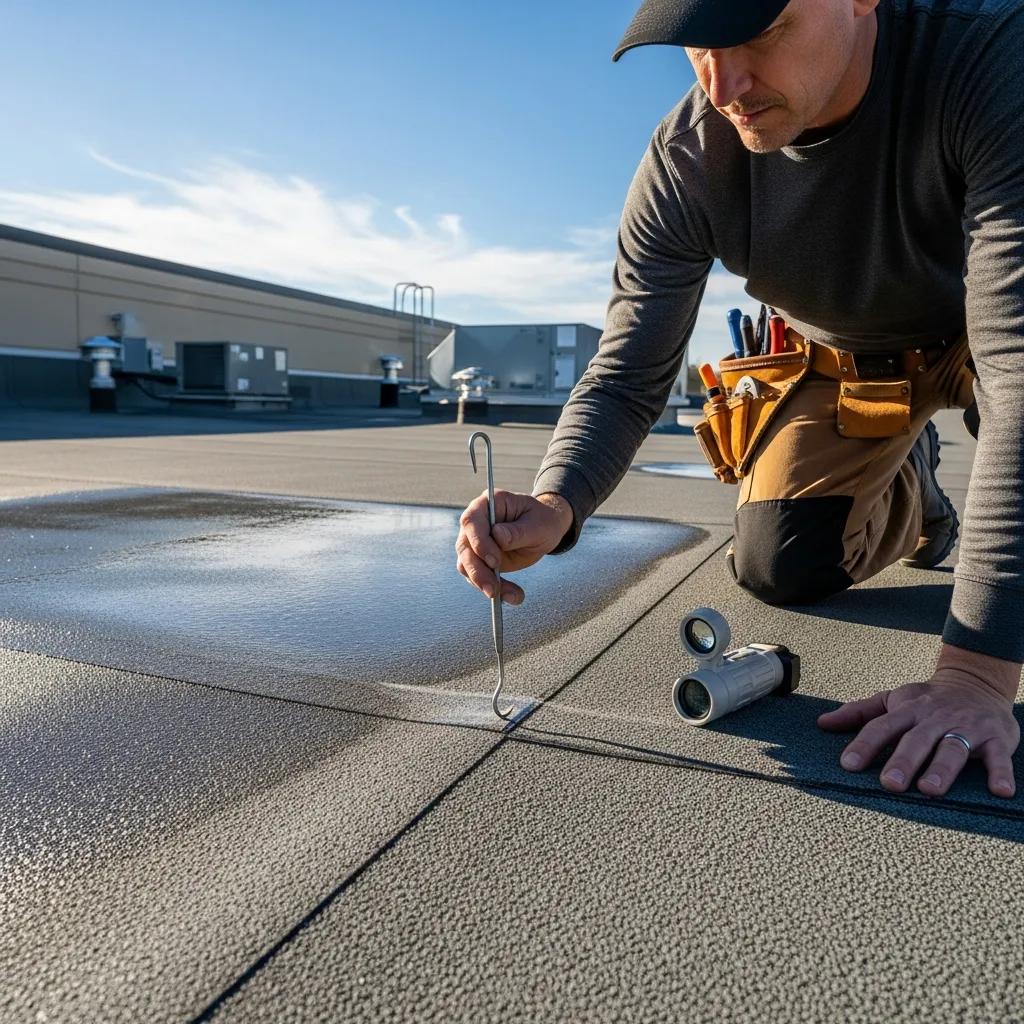
EPDM membranes are renowned for their durability, boasting a lifespan of up to 50 years when properly maintained. However, they do require regular inspections and maintenance to address any wear and tear. The material is resistant to UV radiation and ozone, which helps it maintain its integrity over time. While EPDM may not be as flexible as polyurethane, its longevity makes it a popular choice for many flat roofing applications.

Further research supports the satisfactory performance of both EPDM and polyurethane foam roofs when installed correctly.

EPDM vs. Polyurethane Foam Roofing: Durability & Performance Study

This report presents the results of 2 years of study of ethylene propylene diene monomer EPDM and sprayed-in-place polyurethane foam PUF roofs following their installation. Initial samples taken from the materials is delivered were tested to establish initial characteristics. Further samples were cut from the roofs every 6 months for 2 years to determine what changes were occurring from natural aging. Thermocouples and strain gages were also used to study response of the roof systems to changes in ambient conditions. The EPDM shosed an increase in mechanical properties during the first 6 to 12 months, probably due to completion of the curing process, followed by no significant change in properties for the rest of the test period. There was little consistency to the results of PUF during the same time of exposure. This could happen for several reasons differences among PUF products used, application techniques, and inconsistent atmospheric conditions during application. Test results indicated that both EPDM and PUF, when properly installed, will perform satisfactorily.

Field Test Results of Experimental EPDM (Ethylene Propylene Diene Monomer) and PUF (Polyurethane Foam) Roofing., 1984
[et_pb_heading title=”Efficiency” _builder_version=”4.19.4″ _module_preset=”default” title_level=”h2″ hover_enabled=”0″ sticky_enabled=”0″][/et_pb_heading]

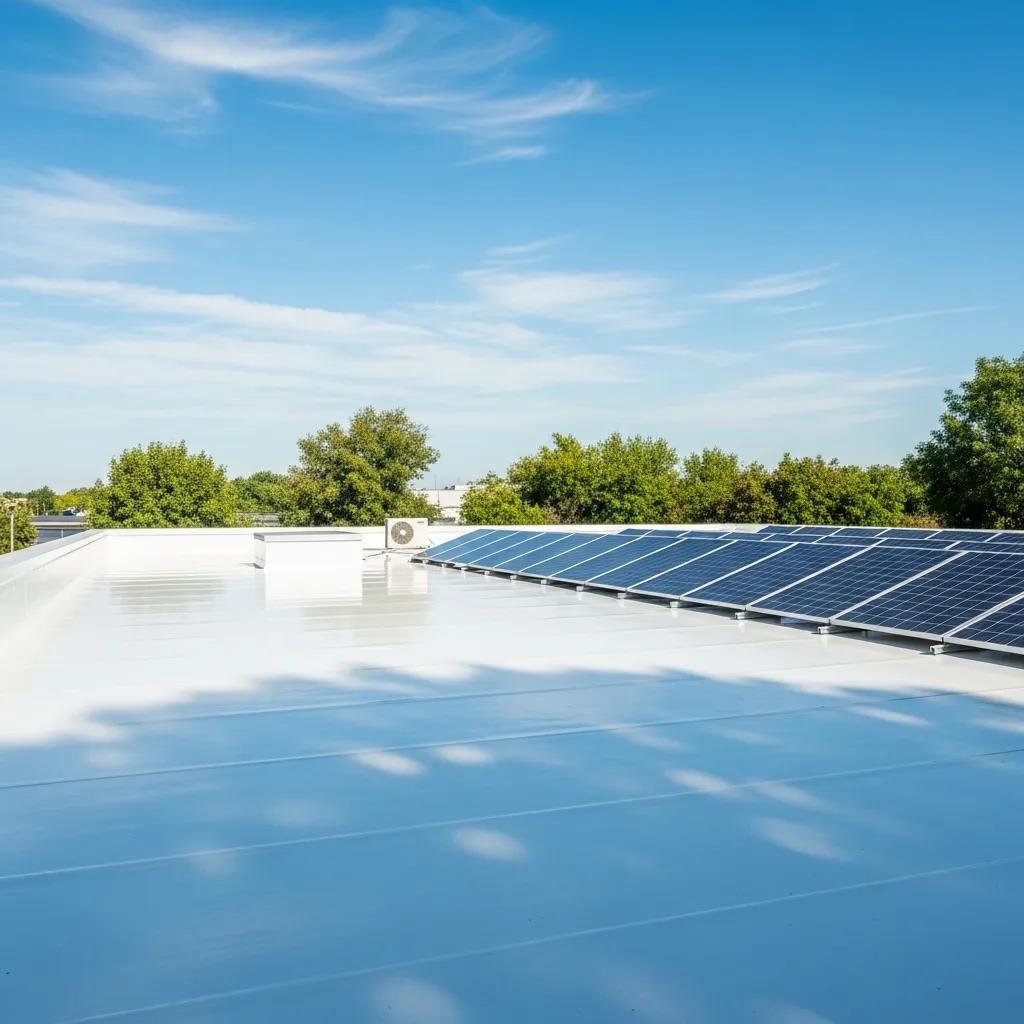
Energy efficiency is another critical aspect to consider when selecting a roofing system. Polyurethane roofing enhances energy efficiency by providing excellent insulation properties, which can lead to reduced energy costs. TPO membranes are specifically designed for energy efficiency, reflecting sunlight and reducing heat absorption, making them an ideal choice for warmer climates.

[et_pb_heading title=”Cost-Effectiveness” _builder_version=”4.19.4″ _module_preset=”default” title_level=”h2″ hover_enabled=”0″ sticky_enabled=”0″][/et_pb_heading]

Evaluating the cost-effectiveness of roofing systems involves considering both initial costs and long-term savings. Polyurethane roofing tends to have a higher upfront cost but offers significant savings in maintenance and energy efficiency over time. EPDM membranes are generally more affordable initially but may incur higher maintenance costs in the long run. TPO roofing offers a balance between initial investment and energy savings, making it a competitive option.

Studies have further explored the environmental and economic aspects of these materials, providing a comprehensive view of their life cycle.

TPO & EPDM Flat Roof Membranes: Environmental & Economic Comparison

, FPO/TPO synthetic membranes and EPDM synthetic membranes. Not all environmental impact categories were available in the various data sets consulted. Table 2 shows the impact

Environmental and economic comparison of the life cycle of waterproofing solutions for flat roofs, JD Silvestre, 2019

[et_pb_heading title=”What Is the Cost Per Square Foot for Each Roofing Material?” _builder_version=”4.19.4″ _module_preset=”default” title_level=”h3″ hover_enabled=”0″ sticky_enabled=”0″][/et_pb_heading]

When comparing the cost per square foot for these roofing materials, the following estimates can be considered:

Roofing MaterialEstimated Cost per Square Foot
Polyurethane$4.00 - $8.00
EPDM$3.00 - $5.00
TPO$4.00 - $8.00

This table illustrates the initial investment required for each roofing system, helping property owners make informed decisions based on their budget.

[et_pb_heading title=”Maintenance Requirements” _builder_version=”4.19.4″ _module_preset=”default” title_level=”h2″ hover_enabled=”0″ sticky_enabled=”0″][/et_pb_heading]

Maintenance is essential for prolonging the life of any roofing system. Polyurethane roofing requires minimal maintenance due to its durable nature and seamless application. EPDM membranes, while durable, need regular inspections and maintenance to address potential issues such as punctures or seams. TPO roofing also requires periodic inspections, particularly after severe weather events, to ensure its integrity.

In summary, each roofing system has its strengths and weaknesses. Polyurethane offers superior durability and energy efficiency, while EPDM provides a long lifespan with regular maintenance. TPO stands out for its energy efficiency and cost-effectiveness. By understanding these differences, property owners can choose the best flat roof membrane that meets their specific needs and preferences.

Olmeck is a specialized supplier of advanced roofing and waterproofing products, focusing on high-performance flat roof systems. For those considering a new roofing system, exploring options like Polyurethane, EPDM, and TPO can lead to significant long-term benefits.