
[et_pb_heading title=”Lava 20 Polyurethane Roofing System: Expert Flat Roof Waterproofing Solutions for Durability and Protection” _builder_version=”4.19.4″ _module_preset=”default” title_level=”h2″ hover_enabled=”0″ sticky_enabled=”0″][/et_pb_heading]
[et_pb_heading title=”Durability” _builder_version=”4.19.4″ _module_preset=”default” title_level=”h2″ hover_enabled=”0″ sticky_enabled=”0″][/et_pb_heading]
 [et_pb_heading title=”Protection” _builder_version=”4.19.4″ _module_preset=”default” title_level=”h2″ hover_enabled=”0″ sticky_enabled=”0″][/et_pb_heading]
[et_pb_heading title=”Performance Features” _builder_version=”4.19.4″ _module_preset=”default” title_level=”h2″ hover_enabled=”0″ sticky_enabled=”0″][/et_pb_heading]
[et_pb_heading title=”Installation and Maintenance” _builder_version=”4.19.4″ _module_preset=”default” title_level=”h2″ hover_enabled=”0″ sticky_enabled=”0″][/et_pb_heading]
[et_pb_heading title=”Protection” _builder_version=”4.19.4″ _module_preset=”default” title_level=”h2″ hover_enabled=”0″ sticky_enabled=”0″][/et_pb_heading]
[et_pb_heading title=”Performance Features” _builder_version=”4.19.4″ _module_preset=”default” title_level=”h2″ hover_enabled=”0″ sticky_enabled=”0″][/et_pb_heading]
[et_pb_heading title=”Installation and Maintenance” _builder_version=”4.19.4″ _module_preset=”default” title_level=”h2″ hover_enabled=”0″ sticky_enabled=”0″][/et_pb_heading]
 [et_pb_heading title=”Customer Satisfaction” _builder_version=”4.19.4″ _module_preset=”default” title_level=”h2″ hover_enabled=”0″ sticky_enabled=”0″][/et_pb_heading]
[et_pb_heading title=”What Are the Key Benefits of Lava 20 Polyurethane Roof Coating for Flat Roofs?” _builder_version=”4.19.4″ _module_preset=”default” title_level=”h2″ hover_enabled=”0″ sticky_enabled=”0″][/et_pb_heading]
[et_pb_heading title=”How Does Lava 20 Enhance Waterproofing and Durability?” _builder_version=”4.19.4″ _module_preset=”default” title_level=”h2″ hover_enabled=”0″ sticky_enabled=”0″][/et_pb_heading]
[et_pb_heading title=”Why Is Lava 20 Suitable for Both Commercial and Residential Flat Roofs?” _builder_version=”4.19.4″ _module_preset=”default” title_level=”h2″ hover_enabled=”0″ sticky_enabled=”0″][/et_pb_heading]
[et_pb_heading title=”How Is the Lava 20 Polyurethane Roofing System Applied for Optimal Performance?” _builder_version=”4.19.4″ _module_preset=”default” title_level=”h2″ hover_enabled=”0″ sticky_enabled=”0″][/et_pb_heading]
[et_pb_heading title=”What Are the Step-by-Step Installation Procedures for Lava 20?” _builder_version=”4.19.4″ _module_preset=”default” title_level=”h2″ hover_enabled=”0″ sticky_enabled=”0″][/et_pb_heading]
[et_pb_heading title=”Can DIY Users Effectively Apply Lava 20 or Is Professional Installation Recommended?” _builder_version=”4.19.4″ _module_preset=”default” title_level=”h2″ hover_enabled=”0″ sticky_enabled=”0″][/et_pb_heading]
[et_pb_heading title=”How Does Lava 20 Compare to Other Flat Roof Waterproofing Materials and Systems?” _builder_version=”4.19.4″ _module_preset=”default” title_level=”h2″ hover_enabled=”0″ sticky_enabled=”0″][/et_pb_heading]
[et_pb_heading title=”What Advantages Does Polyurethane Roofing Offer Over Traditional Membranes?” _builder_version=”4.19.4″ _module_preset=”default” title_level=”h2″ hover_enabled=”0″ sticky_enabled=”0″][/et_pb_heading]
[et_pb_heading title=”How Does Lava 20’s Durability and Flexibility Outperform Alternative Solutions?” _builder_version=”4.19.4″ _module_preset=”default” title_level=”h2″ hover_enabled=”0″ sticky_enabled=”0″][/et_pb_heading]
[et_pb_heading title=”What Maintenance Practices Ensure Longevity of Lava 20 Polyurethane Roofs?” _builder_version=”4.19.4″ _module_preset=”default” title_level=”h2″ hover_enabled=”0″ sticky_enabled=”0″][/et_pb_heading]
[et_pb_heading title=”How Should Lava 20 Roofs Be Inspected and Maintained?” _builder_version=”4.19.4″ _module_preset=”default” title_level=”h2″ hover_enabled=”0″ sticky_enabled=”0″][/et_pb_heading]
[et_pb_heading title=”What Troubleshooting Steps Address Common Flat Roof Issues?” _builder_version=”4.19.4″ _module_preset=”default” title_level=”h2″ hover_enabled=”0″ sticky_enabled=”0″][/et_pb_heading]
[et_pb_heading title=”Customer Satisfaction” _builder_version=”4.19.4″ _module_preset=”default” title_level=”h2″ hover_enabled=”0″ sticky_enabled=”0″][/et_pb_heading]
[et_pb_heading title=”What Are the Key Benefits of Lava 20 Polyurethane Roof Coating for Flat Roofs?” _builder_version=”4.19.4″ _module_preset=”default” title_level=”h2″ hover_enabled=”0″ sticky_enabled=”0″][/et_pb_heading]
[et_pb_heading title=”How Does Lava 20 Enhance Waterproofing and Durability?” _builder_version=”4.19.4″ _module_preset=”default” title_level=”h2″ hover_enabled=”0″ sticky_enabled=”0″][/et_pb_heading]
[et_pb_heading title=”Why Is Lava 20 Suitable for Both Commercial and Residential Flat Roofs?” _builder_version=”4.19.4″ _module_preset=”default” title_level=”h2″ hover_enabled=”0″ sticky_enabled=”0″][/et_pb_heading]
[et_pb_heading title=”How Is the Lava 20 Polyurethane Roofing System Applied for Optimal Performance?” _builder_version=”4.19.4″ _module_preset=”default” title_level=”h2″ hover_enabled=”0″ sticky_enabled=”0″][/et_pb_heading]
[et_pb_heading title=”What Are the Step-by-Step Installation Procedures for Lava 20?” _builder_version=”4.19.4″ _module_preset=”default” title_level=”h2″ hover_enabled=”0″ sticky_enabled=”0″][/et_pb_heading]
[et_pb_heading title=”Can DIY Users Effectively Apply Lava 20 or Is Professional Installation Recommended?” _builder_version=”4.19.4″ _module_preset=”default” title_level=”h2″ hover_enabled=”0″ sticky_enabled=”0″][/et_pb_heading]
[et_pb_heading title=”How Does Lava 20 Compare to Other Flat Roof Waterproofing Materials and Systems?” _builder_version=”4.19.4″ _module_preset=”default” title_level=”h2″ hover_enabled=”0″ sticky_enabled=”0″][/et_pb_heading]
[et_pb_heading title=”What Advantages Does Polyurethane Roofing Offer Over Traditional Membranes?” _builder_version=”4.19.4″ _module_preset=”default” title_level=”h2″ hover_enabled=”0″ sticky_enabled=”0″][/et_pb_heading]
[et_pb_heading title=”How Does Lava 20’s Durability and Flexibility Outperform Alternative Solutions?” _builder_version=”4.19.4″ _module_preset=”default” title_level=”h2″ hover_enabled=”0″ sticky_enabled=”0″][/et_pb_heading]
[et_pb_heading title=”What Maintenance Practices Ensure Longevity of Lava 20 Polyurethane Roofs?” _builder_version=”4.19.4″ _module_preset=”default” title_level=”h2″ hover_enabled=”0″ sticky_enabled=”0″][/et_pb_heading]
[et_pb_heading title=”How Should Lava 20 Roofs Be Inspected and Maintained?” _builder_version=”4.19.4″ _module_preset=”default” title_level=”h2″ hover_enabled=”0″ sticky_enabled=”0″][/et_pb_heading]
[et_pb_heading title=”What Troubleshooting Steps Address Common Flat Roof Issues?” _builder_version=”4.19.4″ _module_preset=”default” title_level=”h2″ hover_enabled=”0″ sticky_enabled=”0″][/et_pb_heading]
- Surface Preparation: Ensuring the roof surface is clean and free of debris.
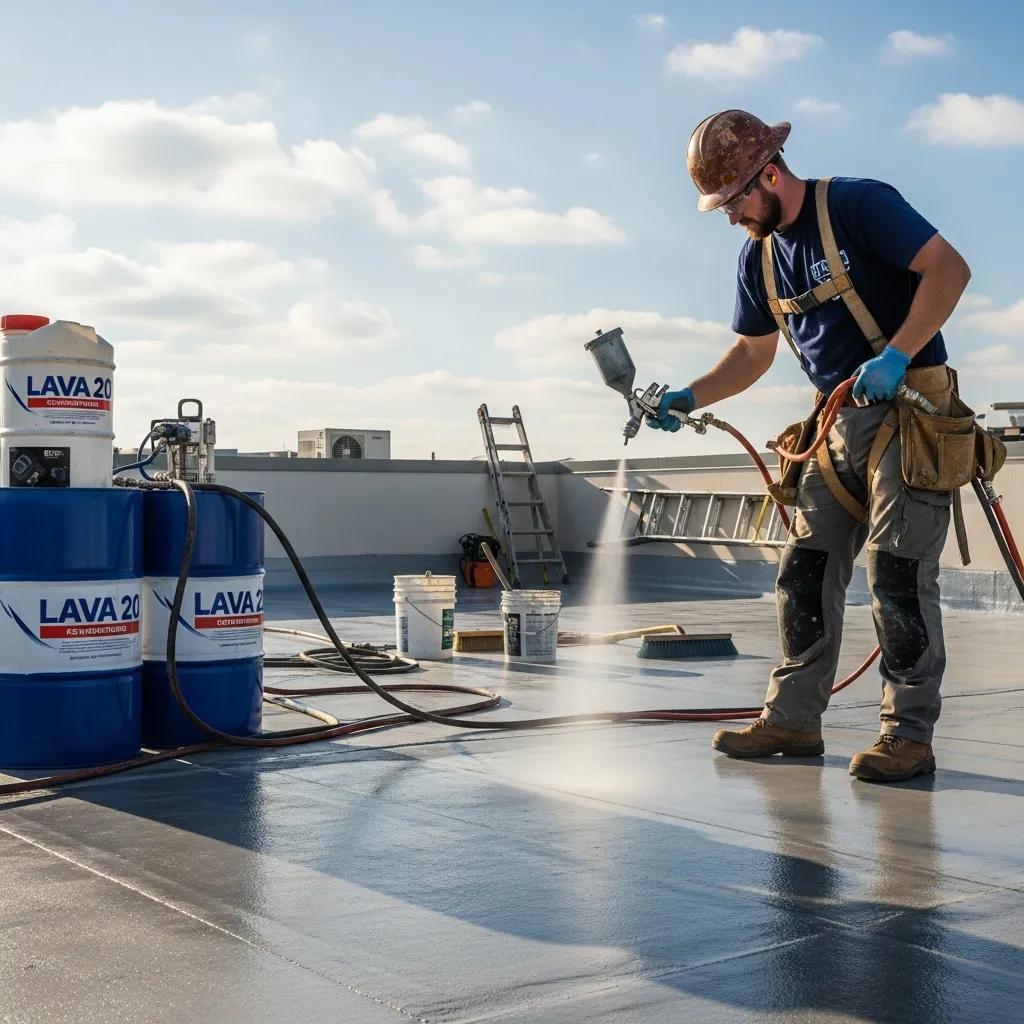
- Application Method: Utilizing a spray or roller application for even coverage.
- Curing Process: Allowing the system to cure properly for optimal performance.
- Durability: The system's robust formulation ensures long-lasting protection against environmental factors.
- Waterproofing Effectiveness: Its seamless application provides superior waterproofing capabilities.
- Maintenance Advantages: Low maintenance requirements save property owners time and money.
- Surface Assessment and Cleaning: Inspect the roof for any damage and clean the surface thoroughly.
- Application Method: Use a spray or roller to apply the coating evenly across the surface.
- Curing Process: Allow the coating to cure fully to ensure maximum adhesion and performance.
- Initial Roof Surface Inspection: Check for any existing damage or issues that need to be addressed.
- Surface Preparation: Clean the roof surface to remove debris and contaminants.
- Membrane Application: Apply the Lava 20 coating using the recommended method for even coverage.
- Exceptional Weather Resistance: Polyurethane materials are designed to withstand extreme weather conditions.
- Flexibility and Adaptability: The material can expand and contract, reducing the risk of damage.
- Long-Term Cost Savings: The durability and low maintenance requirements lead to significant savings over time.
- Routine Inspections: Regularly check for signs of wear or damage.
- Cleaning: Keep the roof surface clean to prevent debris buildup.
- Repair Strategies: Address any issues promptly to maintain the roof's integrity.
Maintaining Polyurethane Foam Roofing Systems for Longevity
This report presents details of experiments and preliminary guidelines for maintaining sprayed polyurethane foam PUF roofing systems, which have been used in increasing numbers in recent years by government and the private sector. Many of these PUF roofs are now requiring maintenance because of improper materials, improper application, or length of time in service age. Standard methods and procedures for maintaining and repairing PUF roofs have not yet been developed or used by manufacturers or contractors to any great extent.
Preliminary Guidelines for Maintenance of Polyurethane Foam (PUF) Roofing Systems., 1984
- Visual Inspection: Look for any visible signs of damage or wear.
- Moisture Check: Ensure there are no areas of standing water or moisture accumulation.
- Recommended Frequency of Inspections: Conduct inspections at least twice a year, or more frequently in harsh weather conditions.
- Routine Inspections: Regularly check for signs of damage or wear.
- Surface Preparation: Ensure the roof surface is clean and free of debris before applying any repairs.
- Proper Application Techniques: Follow manufacturer guidelines for any repairs or maintenance to ensure effectiveness.