
How to Choose the Right Flat Roof Waterproofing System for Commercial Buildings: Expert Guidance on Waterproof Roofing Membrane Types and Installation
Selecting the appropriate flat roof waterproofing system for commercial buildings is crucial for ensuring long-term durability and protection against water damage. This guide will provide insights into various waterproof roofing membrane types, installation methods, and essential factors to consider when making your choice. Understanding the nuances of flat roof waterproofing can help you avoid costly repairs and extend the lifespan of your roofing system. In this article, we will explore the different types of waterproofing membranes, the best installation practices, and how to evaluate sealants for optimal performance. By the end, you will be equipped with the knowledge to make informed decisions regarding your commercial roofing needs.
Types of Waterproof Roofing Membranes
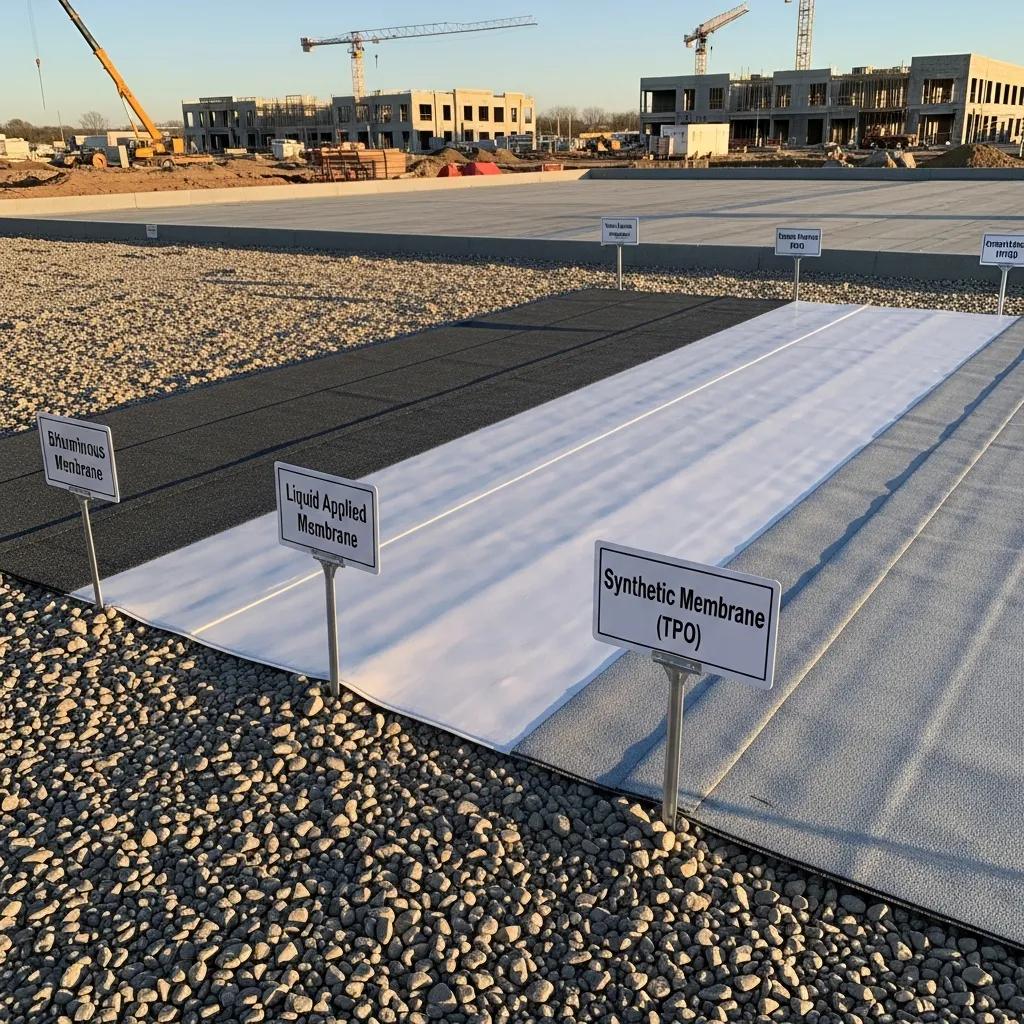
When it comes to flat roof waterproofing, several types of membranes are available, each with unique properties and applications. Understanding these options is essential for selecting the best waterproofing membrane for your commercial building. The primary types include “bituminous membranes”, liquid applied membranes, and synthetic membranes. Each type offers distinct advantages, making them suitable for various environmental conditions and building requirements.
What Are the Key Types of Waterproof Roofing Membranes for Commercial Flat Roofs?
- Bituminous Membranes: These are asphalt-based membranes that provide excellent waterproofing and durability. They are typically installed in layers and can be either self-adhesive or torch-applied.
Further research highlights the specific compositions and installation techniques that define modified bitumen roofing systems.
Modified Bitumen Roofing: Types, Installation, & Performance
Most modified bitumen products use one of two different asphalt modifiers atactic polypropylene APP or styrene butadiene styrene SBS. Manufacturers use different reinforcing materials e.g., polyester, glass fiber mats. Modified bitumen membranes commonly are installed by torch-fusing, hot asphalt embedment, or self-adherence. The test plan was designed to determine how weathering would change the physical and mechanical characteristics of the membrane materials and compare the results between the different types.
Construction of Experimental Modified Bitumen Roofing at Fort Polk, LA, 1991
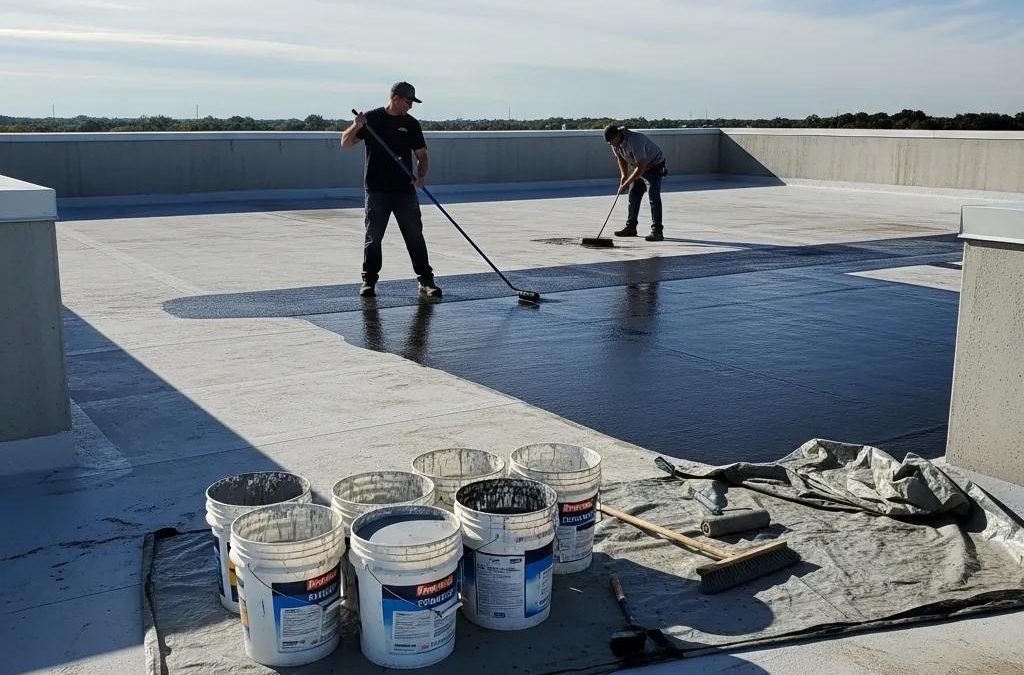
- Liquid Applied Membranes: These membranes are applied as a liquid and cure to form a seamless, waterproof layer. They are ideal for complex roof shapes and penetrations.
- Synthetic Membranes: Made from materials like PVC or TPO, synthetic membranes are lightweight and resistant to UV rays and chemicals, making them suitable for various commercial applications.
Olmeck specializes in advanced roofing and waterproofing solutions tailored for commercial buildings, focusing on “flat roof waterproofing systems”. Their products are designed to meet the specific needs of different commercial environments, ensuring optimal performance and longevity.
Comparative Table of Flat Roof Waterproofing Membrane Types
Installation Methods
The installation of waterproofing membranes is critical to their effectiveness and longevity. Proper techniques can significantly enhance the durability of the roofing system and prevent leaks.
What Are the Best Practices for Installing Liquid Applied and Torch Applied Membranes?
- Surface Preparation: Ensure the substrate is clean, dry, and free of debris. This step is crucial for achieving proper adhesion.
- Application Techniques: For liquid applied membranes, use a roller or spray to ensure an even coat. For torch applied membranes, heat the underside of the membrane to create a bond with the substrate.
- Curing Conditions: Allow adequate curing time as specified by the manufacturer to ensure the membrane achieves its full waterproofing potential.
Understanding these installation methods is essential for ensuring optimal durability for flat roof waterproofing. Proper installation not only enhances the membrane’s performance but also extends the lifespan of the roof.
Important Factors to Consider
When selecting a flat roof waterproofing system, several key factors should influence your decision. These include the durability and flexibility of the membranes, environmental resistance features, and warranty considerations.
- Durability: Choose membranes that can withstand harsh weather conditions and UV exposure.
- Flexibility: Ensure the membrane can accommodate building movement and temperature fluctuations without cracking.
- Warranty: Look for products that offer comprehensive warranties, indicating the manufacturer’s confidence in their performance.
Latest Articles on Flat Roof Waterproofing Solutions
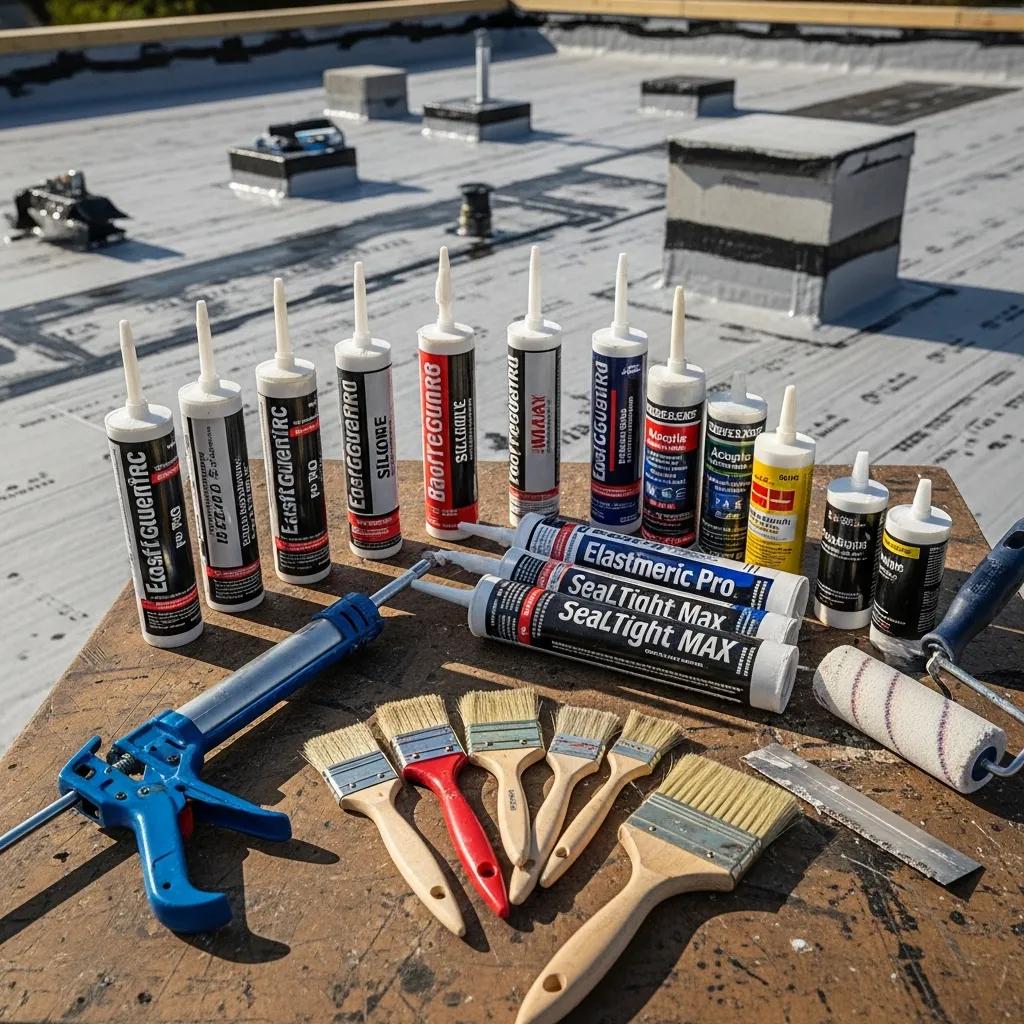
Selecting the right sealant is just as important as choosing the waterproofing membrane. Sealants enhance the waterproofing system by providing additional protection against leaks and environmental damage.
What Sealant Properties Enhance UV Resistance and Flexibility?
- UV Resistance: Look for sealants that contain UV inhibitors to prevent degradation from sunlight exposure.
- Flexibility: Choose sealants that can expand and contract with temperature changes to maintain a watertight seal.
- Adhesion: Ensure the sealant adheres well to both the membrane and the substrate for optimal performance.
How Do Sealants Complement Waterproofing Membranes in Commercial Roofing Systems?
Sealants play a vital role in enhancing the overall effectiveness of waterproofing membranes. They fill gaps and seams, providing an additional layer of protection against water infiltration. By using high-quality sealants in conjunction with your chosen membrane, you can significantly improve the longevity and reliability of your flat roof system.
What Factors Should Influence Your Choice of Flat Roof Waterproofing Materials?
Choosing the right materials for your flat roof waterproofing system involves considering various factors that can impact performance and cost.
How Do Durability, Cost, and Maintenance Requirements Affect Material Selection?
- Durability: Invest in high-quality materials that offer long-term performance and resistance to environmental factors.
- Cost: While initial costs are important, consider the long-term savings associated with reduced maintenance and repair needs.
- Maintenance Requirements: Select materials that require minimal upkeep to ensure ease of management over the roof’s lifespan.
What Role Do Environmental and Sustainability Considerations Play in Choosing Materials?
Sustainability is becoming increasingly important in construction. Opting for eco-friendly materials can not only reduce your environmental footprint but also enhance the building’s energy efficiency. Look for products that are recyclable or made from sustainable resources to align with green building practices.
Common Mistakes to Avoid When Choosing a Flat Roof Waterproofing System
Choosing the right flat roof waterproofing system for commercial buildings requires careful consideration. Avoiding common pitfalls can save you time, money, and future headaches. Here are some frequent mistakes to watch out for:
- Ignoring Roof Structure Compatibility: Not all waterproofing membranes are suitable for every roof type. Ensure the membrane you select is compatible with your roof’s structure and materials.
- Overlooking Environmental Conditions: Failing to consider local climate factors such as UV exposure, temperature fluctuations, and precipitation can lead to premature membrane failure.
- Choosing Based Solely on Initial Cost: Opting for the cheapest option without evaluating long-term durability and maintenance costs can result in higher expenses over time.
- Neglecting Proper Installation: Even the best membranes fail if not installed correctly. Always hire experienced professionals and follow manufacturer guidelines.
- Skipping Regular Maintenance Planning: Flat roof waterproofing systems require periodic inspections and upkeep. Not planning for maintenance can shorten the roof’s lifespan.
By avoiding these mistakes, you can ensure your commercial roof waterproofing investment delivers optimal protection and longevity.
Key Questions to Ask Your Roofing Contractor When Choosing Flat Roof Systems
Engaging with a knowledgeable roofing contractor is essential when selecting and installing a flat roof waterproofing system. To ensure you make the best choice, consider asking the following questions:
- What experience do you have with commercial roof waterproofing and flat roof systems? Understanding their expertise helps gauge their capability to handle your project.
- Which waterproofing membrane types do you recommend for my building’s specific conditions? This ensures the solution is tailored to your environment and roof structure.
- Can you provide references or case studies of similar projects you have completed? Past performance is a strong indicator of reliability.
- What installation methods will you use, and how do you ensure quality control? Proper installation is critical for system longevity.
- What warranties and maintenance services do you offer? Comprehensive warranties and maintenance plans protect your investment.
- How do you handle potential challenges such as roof penetrations or complex geometries? This reveals their problem-solving approach and technical skills.
Asking these questions will help you select a contractor who can deliver a high-quality flat roof waterproofing system tailored to your commercial building’s needs.
Olmeck’s Expertise in Commercial Roof Waterproofing
With decades of experience in the roofing industry, Olmeck stands as a trusted authority in commercial roof waterproofing and flat roof waterproofing systems. Specializing in advanced waterproofing solutions, Olmeck combines innovative technology with proven installation techniques to deliver durable, high-performance roofing systems tailored to diverse commercial environments. Their commitment to quality, sustainability, and customer satisfaction ensures that clients receive roofing solutions that not only meet but exceed industry standards. When choosing flat roof systems for your commercial building, partnering with Olmeck guarantees expert guidance, reliable products, and professional installation backed by extensive expertise.